Welcome to GOODWAY PTY LIMITED
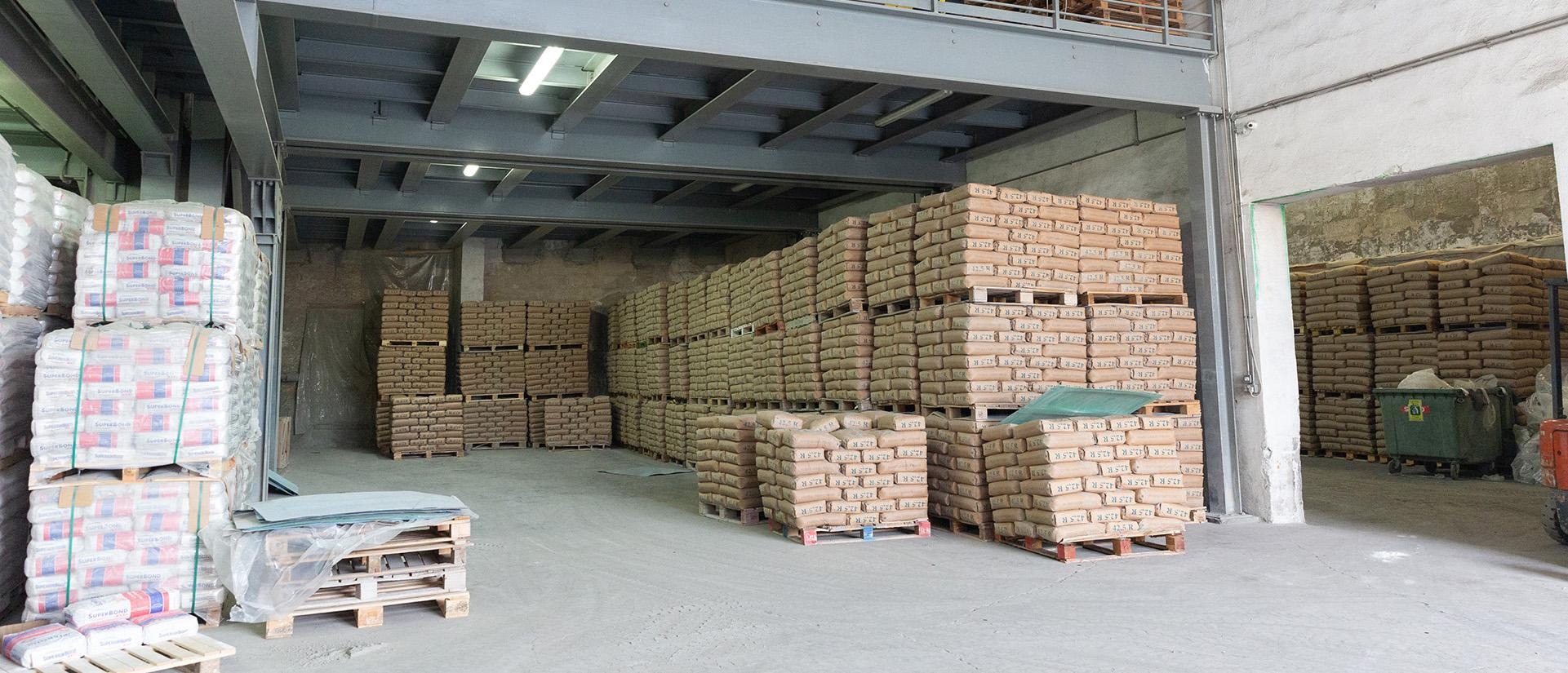
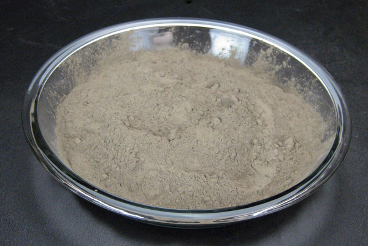
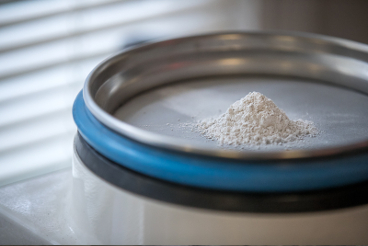
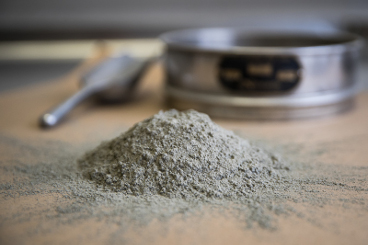
Fly ash is a fine powder generated as a byproduct of coal combustion in power generation facilities. Collected through advanced emission-control systems, these fine particles share characteristics with volcanic ash and are recognised as a type of pozzolanic material.
When used in concrete, fly ash is classified as a supplementary cementitious material (SCM). It has been widely incorporated into concrete mixes since the 1930s, either as a partial replacement for cement or combined with other SCMs to create blended cement products.
Requiring minimal additional processing, fly ash can be supplied directly from power stations to ready-mix concrete manufacturers, where it is blended with standard concrete components including cement, aggregates and water. Fly ash concrete is suitable for a broad range of construction applications.
Fly ash is now commonly used in concrete production as a partial cement replacement. Many concrete mixes incorporate around 40% fly ash, while some specialised applications can utilise replacement levels of up to 70%.
Fly ash provides more than just a replacement material; it enhances both the sustainability and performance of concrete. By improving strength, durability and long-term reliability, it supports environmentally responsible construction while helping reduce resource consumption, energy use and emissions.
Replacing portland cement with fly ash significantly reduces the carbon footprint of concrete production. For every tonne of fly ash used as a cement substitute, approximately one tonne of carbon dioxide emissions can be avoided, contributing to substantial reductions in greenhouse gas emissions when used on a large scale.
When properly selected and incorporated into concrete designs, fly ash can provide several performance advantages, including:
Contact us today to discuss your needs and discover how we can support your projects with quality products, dependable supply and professional service.
Contact us